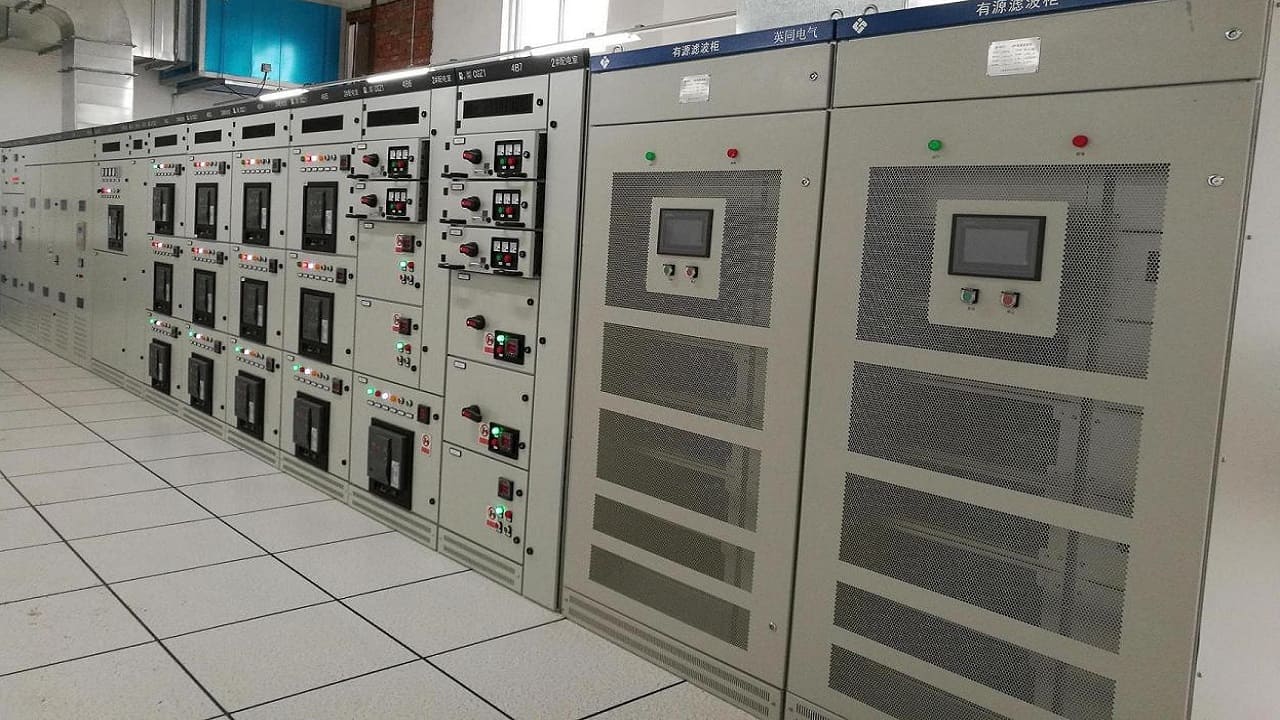
Treffer Power System Solution

The Future of Power Factor Correction

The Future of Power Factor Correction: SVG, Hybrid Technology, and Intelligent Capacitor Bank Post Info By Venanda, On 21st October 2017 Power Factor Correction (PFC) plays a vital role in improving the efficiency of electrical systems and reducing energy consumption. Traditionally, PFC has relied on passive components such as capacitors and inductors. However, with advancements in technology, new approaches like Static Var Generators (SVG), Hybrid Technology, and Intelligent Capacitor Banks have emerged, revolutionizing the field of power factor correction. In this blog post, we will explore these innovative technologies and their potential impact on energy efficiency. Static Var Generators (SVG): SVG is an active power factor correction device that utilizes power electronics to provide dynamic control over reactive power compensation. Unlike traditional passive components, SVG can respond rapidly to fluctuations in power factor, providing accurate and real-time compensation. It helps maintain a near-unity power factor, minimizing losses in the power distribution system and improving overall energy efficiency. SVG technology is highly reliable, offers a wide range of reactive power compensation, and is suitable for various industrial applications. Hybrid Technology: Hybrid Technology combines the benefits of passive and active power factor correction methods. It integrates passive components like capacitors and inductors with active devices such as power electronic converters or SVGs. This approach allows for better control and flexibility in managing reactive power. Hybrid Technology offers advantages like faster response times, reduced harmonic distortion, and the ability to handle varying load conditions effectively. It can optimize power factor correction and ensure efficient energy utilization in complex electrical systems. Intelligent Capacitor Banks: Intelligent Capacitor Banks utilize advanced control algorithms and monitoring systems to optimize power factor correction. These capacitor banks employ sensors, communication networks, and intelligent controllers to measure and analyze power factor in real-time. Based on the data collected, the intelligent controller adjusts the reactive power compensation provided by the capacitors. This dynamic control ensures precise power factor correction, even in situations where load conditions change frequently. Intelligent Capacitor Banks enhance system reliability, reduce maintenance requirements, and enable energy management features such as demand response and load balancing. The evolution of PFC technologies, such as SVG, Hybrid Technology, and Intelligent Capacitor Banks, is transforming the landscape of power factor correction. These advancements offer more efficient and flexible solutions for improving power factor and energy efficiency in electrical systems. SVGs provide dynamic compensation, Hybrid Technology combines the advantages of passive and active methods, and Intelligent Capacitor Banks offer real-time control and optimization. Embracing these innovations can lead to significant energy savings, reduced losses, and enhanced system reliability. As the demand for sustainable and efficient power systems grows, integrating these technologies will play a crucial role in shaping the future of power factor correction. MOSFETs (Metal-Oxide-Semiconductor Field-Effect Transistors): MOSFETs are often used as switching devices in PFC circuits. They control the flow of current and regulate the power factor correction. Integrated Circuits (ICs): ICs are used for control and monitoring purposes in PFC circuits. They provide various functions such as voltage regulation, current sensing, and control algorithms to ensure optimal power factor correction. Resistors: Resistors are used for current sensing and voltage division in PFC circuits. They help in determining the current flow and provide feedback for control purposes. These are just a few examples of PFC components. The specific components used in a PFC circuit depend on the design requirements, power rating, and application of the system. Different PFC topologies, such as boost converters, bridgeless converters, or interleaved converters, may require specific components to achieve efficient power factor correction.


PFC System

PFC System PFC stands for Power Factor Correction, which is a technique used in electrical systems to improve the power factor. The power factor is the ratio of real power (kW) to apparent power (kVA) and is an important parameter in AC power systems. PFC components refer to the various electronic components used in power factor correction circuits. These components are designed to correct or improve the power factor and ensure efficient power transmission and utilization. Here are some commonly used PFC components. Capacitors: Capacitors are the most fundamental component in PFC circuits. They store electrical energy and release it when needed to compensate for reactive power. Capacitors are used to reduce or neutralize the reactive power component, thereby improving the power factor. Inductors: Inductors are another crucial component in PFC circuits. They are used to filter out harmonics and reduce electromagnetic interference (EMI). Inductors help smooth out the current waveform and improve the power factor. Diodes: Diodes are used in bridge rectifier circuits, which convert AC power to DC power in PFC circuits. They allow the flow of current in one direction and prevent it from flowing in the opposite direction. MOSFETs (Metal-Oxide-Semiconductor Field-Effect Transistors): MOSFETs are often used as switching devices in PFC circuits. They control the flow of current and regulate the power factor correction. Integrated Circuits (ICs): ICs are used for control and monitoring purposes in PFC circuits. They provide various functions such as voltage regulation, current sensing, and control algorithms to ensure optimal power factor correction. Resistors: Resistors are used for current sensing and voltage division in PFC circuits. They help in determining the current flow and provide feedback for control purposes. These are just a few examples of PFC components. The specific components used in a PFC circuit depend on the design requirements, power rating, and application of the system. Different PFC topologies, such as boost converters, bridgeless converters, or interleaved converters, may require specific components to achieve efficient power factor correction.

Clean & Efficient Power: Harmonic Mitigation for a Sustainable Energy Future

Clean & Efficient Power: Harmonic Mitigation for a Sustainable Energy Future In an era driven by technological advancement and a global push towards sustainability, the demand for clean and efficient power solutions has never been more pressing. With the growing integration of renewable energy sources and the increasing complexity of power distribution systems, the challenge of maintaining power quality becomes paramount. One significant aspect of this challenge is harmonic distortion. In this blog, we’ll explore the concept of harmonic mitigation and its crucial role in ensuring a stable and sustainable energy landscape. Understanding Harmonic Distortion: A Roadblock to Efficiency Harmonics are non-sinusoidal waveforms that result from the distortion of the electrical voltage or current in a power system. They are typically integer multiples of the fundamental frequency and can arise from various sources, including power electronic devices, nonlinear loads (like computers and variable speed drives), and even renewable energy sources like solar panels and wind turbines. While modern electronics and industrial processes have benefited us immensely, they also contribute to the proliferation of harmonics. Harmonic distortion can have detrimental effects on power systems, including: Reduced Efficiency: Harmonic currents can lead to increased energy losses in power cables and transformers, reducing overall system efficiency. Equipment Damage: Sensitive electronic equipment may experience overheating and premature failure due to harmonic-induced stresses. . Power Quality Issues: Harmonics can cause voltage and current waveform distortions, affecting the quality of power supply and potentially leading to malfunctions in other connected equipment. Electromagnetic Interference: Harmonics can interfere with communication systems and affect nearby electronic devices. Harmonic Mitigation: A Necessity for Sustainable Energy Systems To address the challenges posed by harmonic distortion, harmonic mitigation strategies are employed. These strategies aim to minimize the impact of harmonics on power systems and ensure the reliable and efficient delivery of electricity. Here are some key approaches to harmonic mitigation: 1. Passive Filtering: Passive filters consist of inductors, capacitors, and resistors that are tuned to specific harmonic frequencies. They absorb or redirect harmonic currents, preventing them from affecting the main power system. 2. Active Filtering: Active filters use power electronics to generate currents that cancel out harmonics, effectively neutralizing their effects. 3. Harmonic-Resistant Equipment: Using equipment designed to withstand or suppress harmonic effects can help mitigate distortion-related issues. 4. Distributed Generation Planning: When incorporating renewable energy sources, careful planning and integration of distributed generation can help minimize harmonic distortion from intermittent sources. 5. Smart Grid Technologies: Advanced control systems and smart grid technologies can monitor and manage harmonic distortion in real time, allowing for proactive mitigation strategies. Benefits of Harmonic Mitigation: Energy Efficiency: By reducing energy losses and improving power factor, harmonic mitigation enhances overall energy efficiency. Equipment Longevity: Mitigating harmonics prolongs the lifespan of equipment and reduces maintenance costs. Power Quality: Harmonic mitigation ensures stable and high-quality power supply, minimizing disruptions and downtime. Sustainability: Effective harmonic mitigation contributes to a more sustainable energy ecosystem by optimizing resource utilization and reducing waste. In conclusion, as the world transitions towards cleaner and more sustainable energy solutions, addressing harmonic distortion is pivotal. Harmonic mitigation not only ensures the reliable and efficient operation of power systems but also aligns with the broader goals of energy sustainability and environmental stewardship. By implementing strategies to mitigate harmonics, we can pave the way for a future where clean, efficient, and high-quality power is readily accessible to all.